
Water-based or solvent-based impregnating stain: differences, coverage and when to choose each
A practical guide to understanding which technology to choose for your wood protection project
Category: Wood Products
Reading time: 4 min
It is one of the most searched-for questions among people approaching wood treatment for the first time, and also one of the most poorly answered online: water-based or solvent-based wood stain, which should you choose? The truth is that there is no answer that always holds — it depends on the wood, the setting and what you really need.
The basic differences
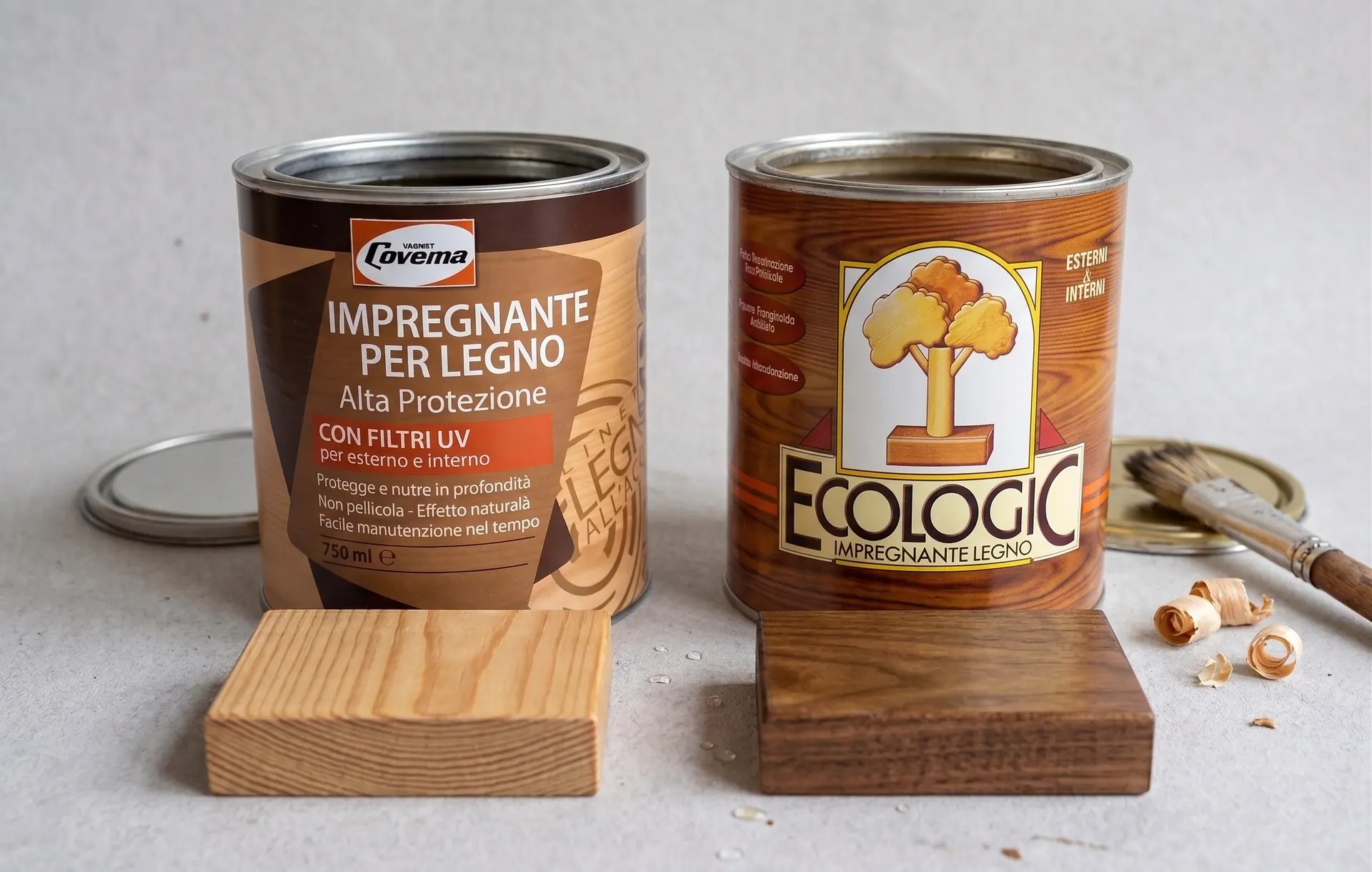
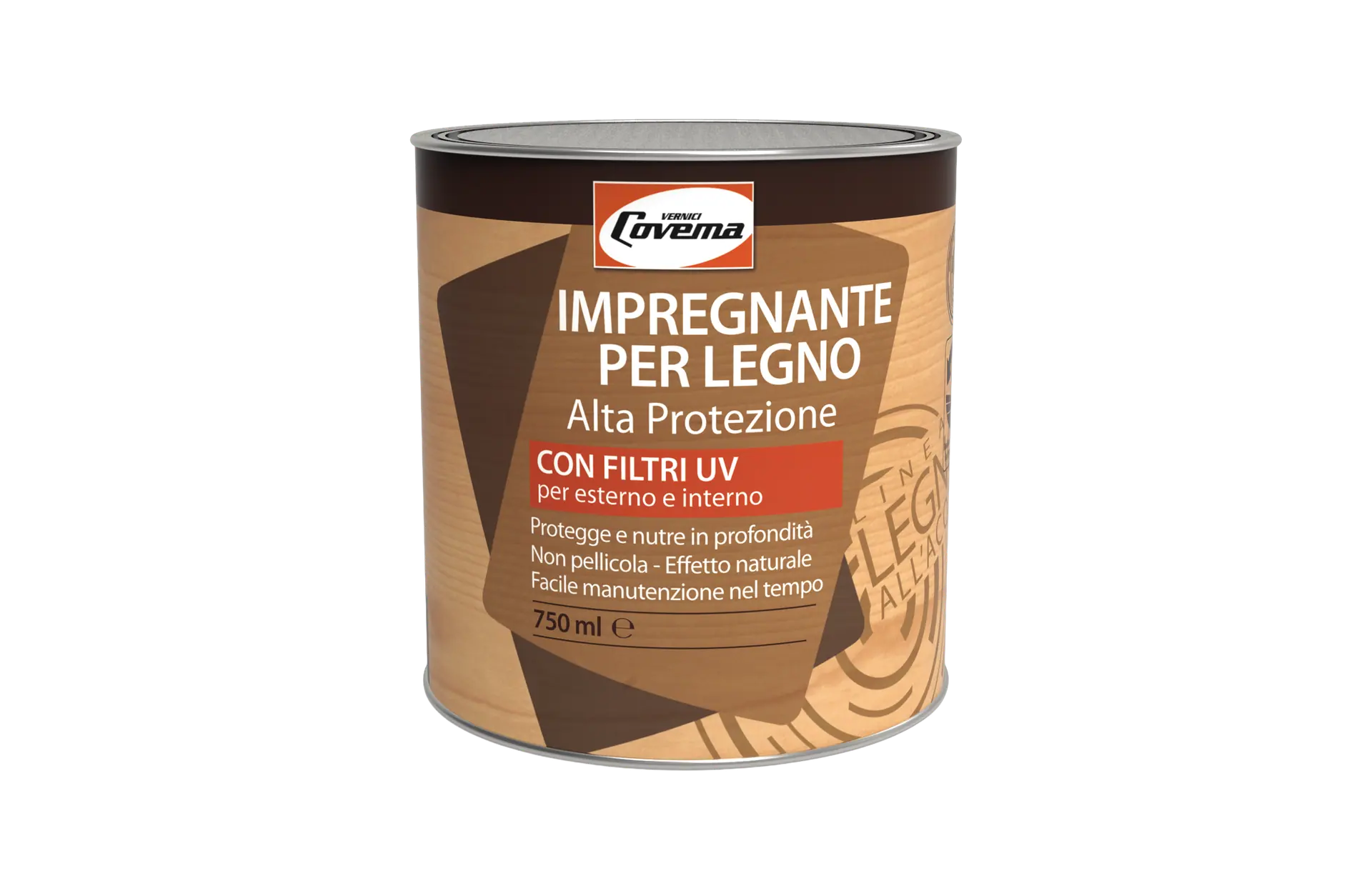
Water-based wood stains, such as the Impregnante Alta Protezione (65.665) in our range, are formulated with acrylic and urethane resins in emulsion. They are odourless, fast-drying and generally seen as better suited to lived-in spaces — something increasingly sought after both by those who live in the treated spaces (terraces, verandas) and by professionals who work in close contact with the product.
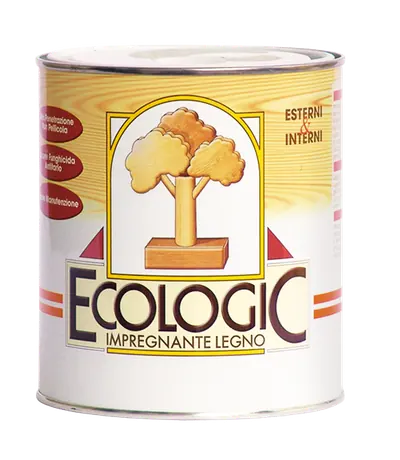
Solvent-based wood stains, such as Ecologic Legno (62.620), represent the more traditional technology in wood treatment. Their distinctive feature is strong penetration: the solvent carries the active ingredient deeper into the fibres, a technical advantage that in some situations remains irreplaceable.
When to choose water-based
If you are treating lived-in spaces — a veranda, a home balcony, garden furniture where you spend time — water-based technology is generally the most convenient choice: no intrusive odour, fast drying (one hour touch-dry for Alta Protezione), and the ability to use the treated spaces again in a short time.
When to choose solvent-based
There are situations in which the greater penetration of solvent really makes the difference: very porous or already partly degraded wood, items exposed to extreme conditions, or renovation cycles on surfaces previously treated with solvent-based products, where sticking with the same technology ensures greater compatibility.
An often underestimated factor: coverage
It is not just a question of which product, but also of how much product you need. Impregnante Alta Protezione has a coverage of 6-8 m²/L; Ecologic Legno, being a penetrating product, has a coverage that varies with the substrate — that is, it depends heavily on the absorbency of the specific wood. On very porous wood, a solvent-based product may require more coats but provide deeper, longer-lasting protection.
Can the two types be alternated?
Yes, with care. Impregnante Alta Protezione can also be applied over previous finishes based on solvent-based wood stains, provided they have been properly sanded and cleaned. The reverse switch — from water-based to solvent-based — generally calls for more caution and a case-by-case assessment, because solvents can react differently with an existing film.
In summary
Water-based and solvent-based are not better or worse in absolute terms: they are two tools with different characteristics. Choose water-based (65.665) for lived-in spaces, speed and ease of use; choose solvent-based (62.620) when deep penetration on difficult wood is the absolute priority.
Recommended products
Related articles
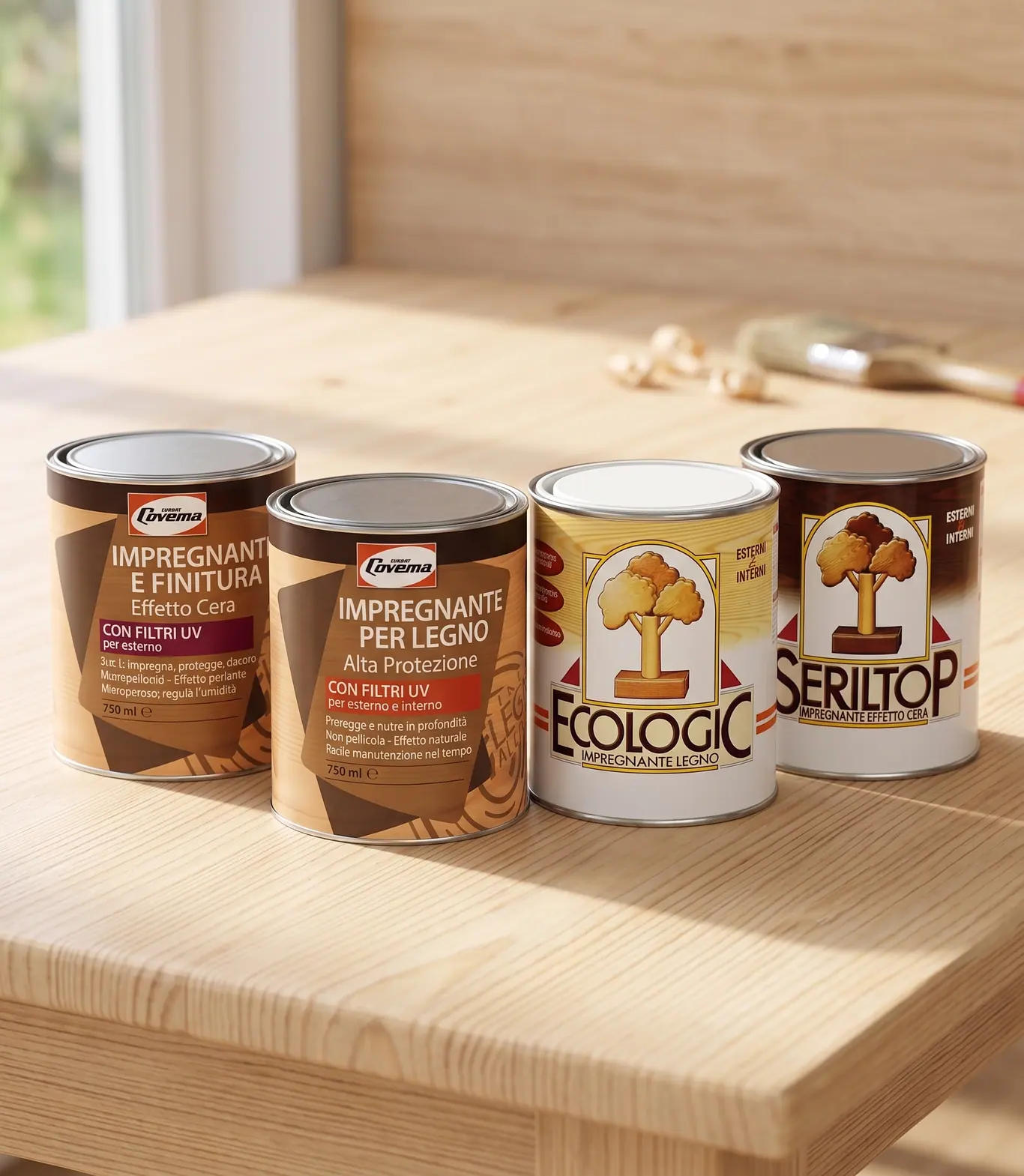 impregnating stainsWood impregnating stain: a guide to choosing among the 4 impregnating stains in the Covema rangeWood Products4 minAlta Protezione, Effetto Cera, Seriltop or Ecologic: how to find your way among Covema impregnating stains for your projectREAD
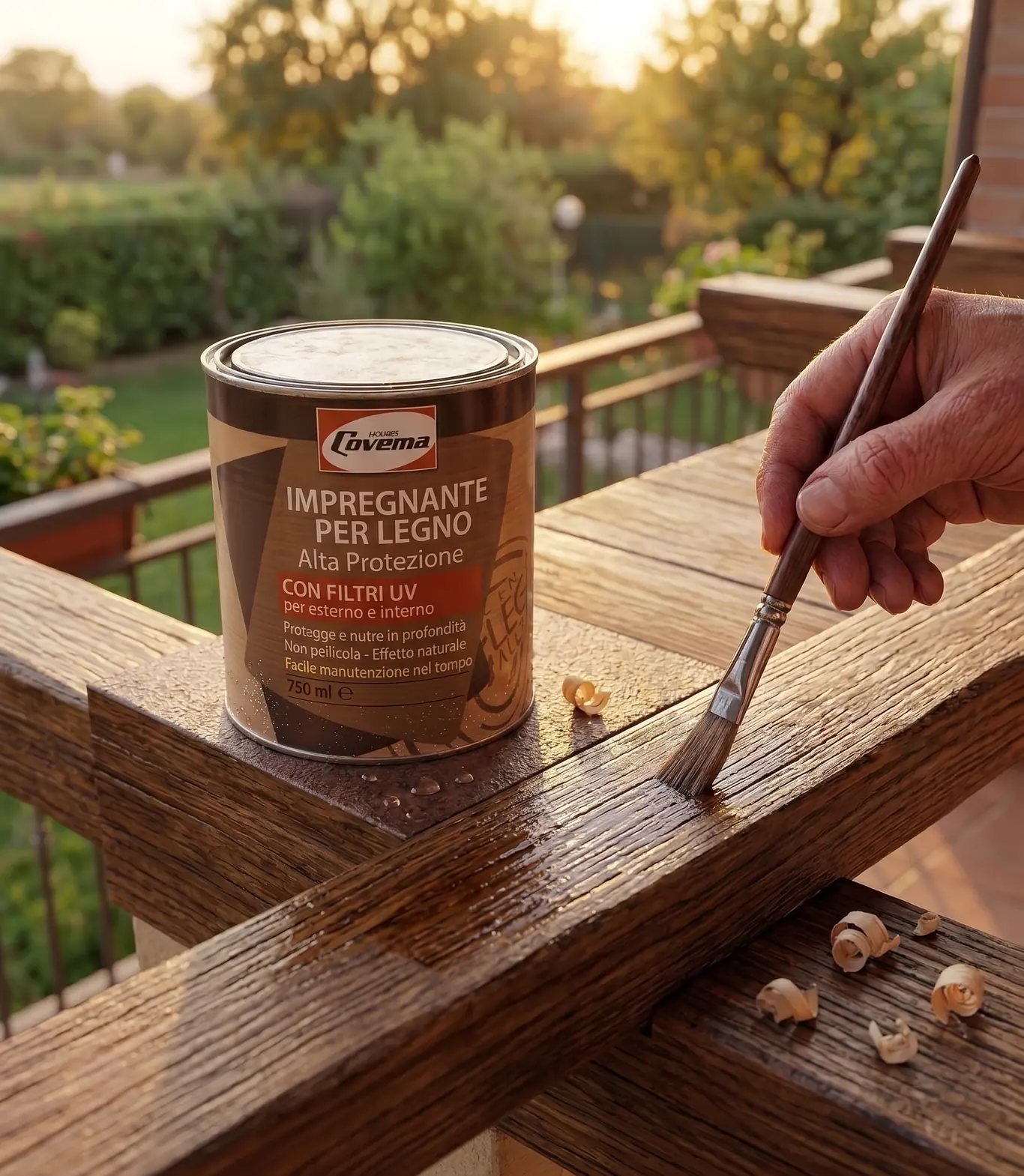 impregnating stainsHigh Protection impregnating stain: when and how to use it on exterior woodWood Products4 minEverything you need to know about the most requested product in the Covema Linea LegnoREAD
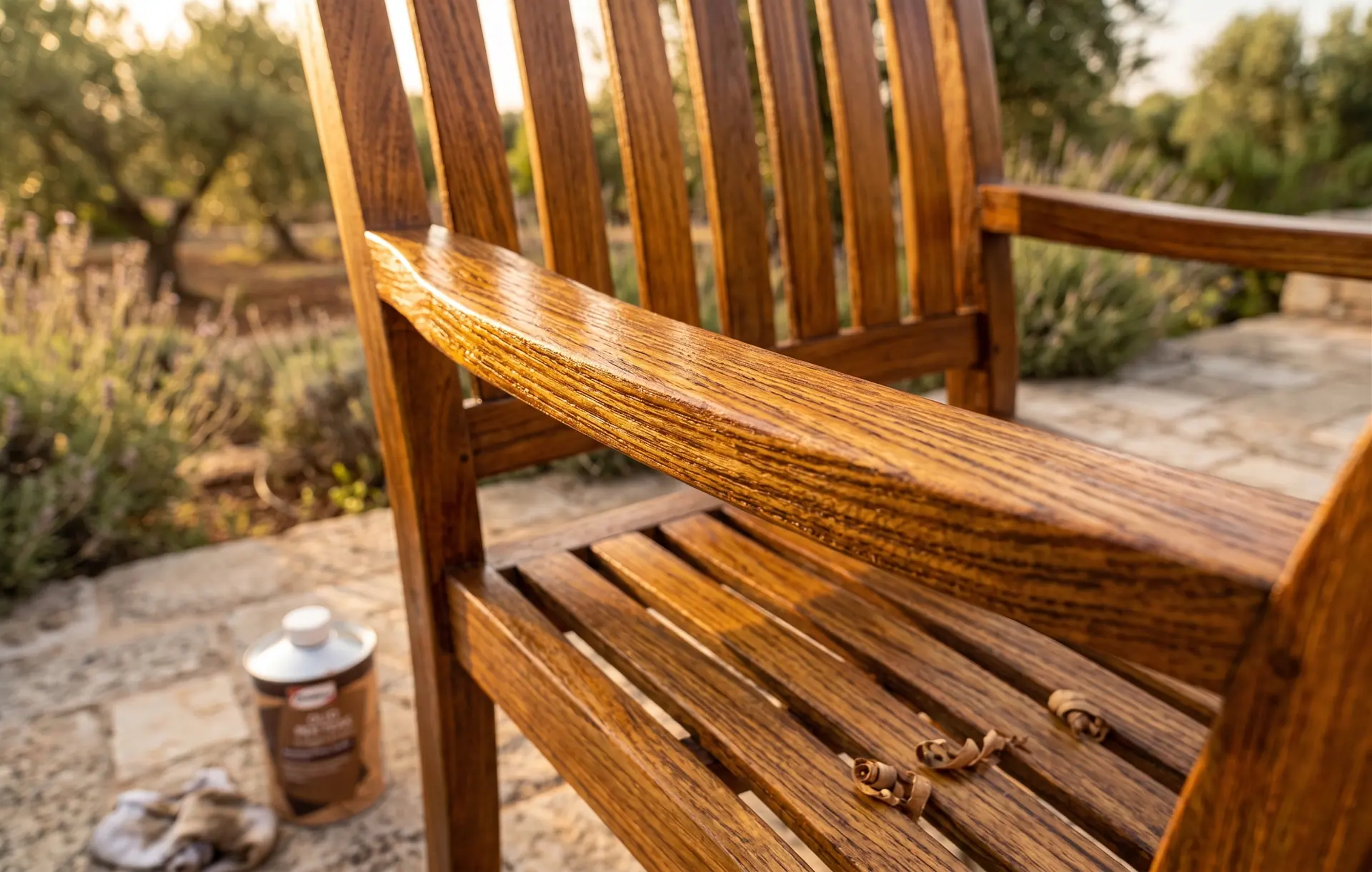 impregnating stainsTeak and exotic woods (Tanganika included): how to treat them and maintain them over timeWood Substrates / Species3 minTropical woods need different care from European wood: here is how to look after them properlyREAD
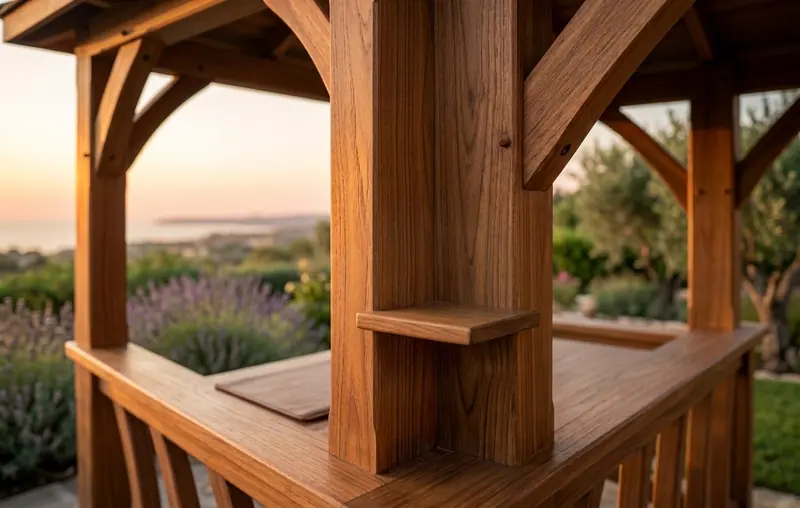 impregnante alta protezioneWooden garden house or shed: how to choose the right treatments for long-lasting protectionIdeas with Wood – Outdoors3 minFrom small sheds to chalets: a guide to protection cycles for outdoor wooden structuresREAD